
A toilet brush is necessary, but it does not need to be the most visible object in the room. The question, are recessed toilet brushes hygienic, deserves a more precise answer than a simple yes or no. A recessed brush can be a cleaner solution than a freestanding holder, provided its housing is designed for drainage, access, and routine cleaning. Concealing the brush behind a flush wall detail improves the visual calm of the bathroom. Hygienic performance depends on what happens inside that detail.
Are Recessed Toilet Brushes Hygienic in Practice?
A recessed toilet brush is not automatically sterile just because it is hidden. The brush head still comes into contact with the toilet bowl, and moisture can remain on the bristles after use. That is true of every toilet brush, regardless of whether it stands beside the toilet or sits inside the wall.
The difference is in containment and cleaning. A freestanding brush holder often occupies the floor next to the toilet, where splashes, dust, and cleaning residue collect around its base. It creates another object to move when mopping and another visual interruption in a carefully finished room. A recessed holder removes that floor-level clutter and places the brush in a dedicated, controlled location.
When the internal cup is removable and the surfaces are smooth, nonabsorbent, and accessible, the recessed solution is easier to keep clean. The brush is stored discreetly, the surrounding floor remains clear, and the bathroom retains the clean, elegant geometry expected of a modern interior.
Hygiene Comes From the Detail, Not the Concealment
The strongest recessed systems treat the brush holder as a functional wet-zone component, not as an empty niche hidden behind tile. A premium result requires more than a neat opening in the wall. It needs a practical interior that can be reached, rinsed, dried, and inspected.
A removable internal container matters
The holder should include a removable cup or insert that catches residual water from the brush. This is the part that needs regular rinsing and disinfection. If the cup cannot be taken out without difficulty, maintenance becomes inconvenient, and inconvenient maintenance is often postponed.
A removable insert also protects the built-in cavity itself. Instead of trying to clean deep inside a tiled wall opening, the user can lift out the container, wash it under running water, dry it, and return it to place. That is a direct hygiene advantage, especially in bathrooms used by a family or guests.
Drainage and drying prevent unpleasant buildup
A toilet brush should not sit continuously in a pool of dirty water. Standing moisture encourages odor and residue, whether the holder is recessed or freestanding. The best approach allows excess water to collect in a controlled, cleanable area while giving the brush head space to dry between uses.
This is where product design makes a visible difference over time. A properly proportioned holder keeps the brush contained without crushing the bristles against a tight enclosure. It also avoids unnecessary seams and awkward corners where residue can settle. Clean surfaces, simple geometry, and a removable cup are not decorative extras. They are the conditions that make cleaning realistic.
Material selection should support easy cleaning
For a bathroom accessory exposed to water and cleaning chemicals, smooth, durable materials are preferable to porous or rough surfaces. They do not hold moisture as readily and can be wiped or washed without special treatment. The visible face should also integrate cleanly with the wall finish, with no exposed floor stand, loose base, or collection point beneath it.
A recessed installation can be especially effective in tiled bathrooms because it turns an everyday cleaning tool into a quiet architectural detail. The brush remains available exactly where it is needed, but it does not compete with the tile, fixtures, or overall composition of the space.
Where Recessed Holders Can Fall Short
Concealment is not a substitute for good design. A poorly made recessed toilet brush holder can create the same hygiene issues as a neglected freestanding model, with one added disadvantage: a difficult-to-reach cavity.
Avoid solutions with a fixed, inaccessible bottom, no removable insert, or deep internal corners that cannot be wiped. A holder that traps water behind a decorative cover is also a poor choice. The wall should not become a hidden storage space for moisture and residue.
Installation quality matters just as much. The opening must be accurately aligned with the tile layout, securely fixed, and finished so that surrounding surfaces remain clean and stable. In a premium bathroom, imprecise cuts or uneven joints undermine both the minimalist appearance and the long-term practicality of the detail.
This is why recessed accessories should be selected early in the design process. Their dimensions, mounting method, and relationship to the tile module need to be considered before the wall is finished. For contractors and tile installers, using the correct template and cutting tools helps create a precise opening that looks intentional rather than improvised.
A Cleaner Floor Is a Real Hygiene Benefit
The hygiene discussion often focuses only on the brush head. But the area around the toilet matters too. A freestanding holder creates a narrow gap between the holder and the wall, plus a base that must be lifted or moved every time the floor is cleaned. These are small frustrations, but they repeat week after week.
A recessed brush holder leaves the floor open. There is no stand collecting dust behind the toilet, no plastic container to bump while vacuuming, and no extra object breaking the line of the wall. This makes routine cleaning faster and allows the bathroom to feel more spacious, even when the room itself is compact.
For minimal interiors, that difference is substantial. The room appears organized because the functional items have a defined place. The result is not simply a hidden toilet brush. It is a bathroom with fewer visual distractions and fewer surfaces competing for attention.
How to Keep a Recessed Toilet Brush Sanitary
Even the best integrated holder needs a simple maintenance routine. The goal is not constant cleaning. It is consistent cleaning of the parts that are designed to be removed and washed.
After using the brush, allow excess water to drip into the bowl before returning it to the holder. This reduces the amount of moisture carried into the cup. Clean the brush head regularly with an appropriate bathroom disinfectant, then rinse it thoroughly. The removable holder insert should be emptied, washed, and dried on a regular schedule based on how often the toilet is used.
In a primary bathroom used daily by several people, weekly cleaning of the insert is sensible. In a lightly used guest bathroom, it may require less frequent attention, but it should still be checked. Replace the brush head when bristles become discolored, bent, or difficult to clean. A toilet brush is a service item, not a permanent fixture.
Do not use the recessed holder as storage for cleaning cloths, spare sponges, or product bottles. Keeping the cavity dedicated to one purpose makes it simpler to maintain and avoids unnecessary contamination.
Choosing the Right Location
A recessed toilet brush works best when it is positioned within comfortable reach of the toilet but outside the main visual line of the room. The exact placement depends on the wall structure, toilet layout, flush plate location, and tile format. In a compact powder room, integrating the holder beside the concealed cistern wall can preserve valuable floor area. In a larger bathroom, it can sit discreetly near the toilet zone without interrupting the broader wall composition.
Consider access before aesthetics alone. The user should be able to remove the brush and lift out the internal container without striking the toilet, vanity, or adjacent wall. The opening should feel effortless to use, not merely clever to look at.
Systems designed for integration under tile give architects, designers, and installers a cleaner way to resolve this detail. PS-Tile approaches built-in bathroom accessories as part of the wall architecture, combining discreet storage with the practical access needed for everyday hygiene.
The Better Standard for Modern Bathrooms
A recessed toilet brush is hygienic when its design makes cleaning straightforward: a removable cup, smooth washable surfaces, controlled moisture, and convenient access. It also improves the hygiene of the room around it by removing a hard-to-clean object from the floor.
The right choice is not about hiding a problem. It is about giving a necessary object a precise place in the bathroom, where it remains accessible, cleanable, and visually quiet. When every practical detail is considered before the tile goes on, even a toilet brush can support a cleaner, more elegant daily experience.
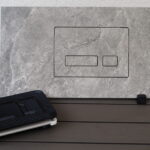
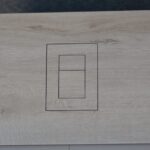
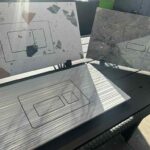
[…] is also a practical advantage. A recessed toilet brush or waste bin removes an object from the floor, where it would otherwise create an awkward cleaning […]