
A recessed toilet brush holder solves a small but highly visible bathroom problem: where to place an essential cleaning tool without leaving a plastic container on the floor. In a carefully designed bathroom, every freestanding accessory interrupts the composition. A brush holder beside the toilet collects dust around its base, competes with the tilework, and makes an otherwise clean space feel unfinished.
Built directly into the wall and finished in line with the surrounding tile, a recessed solution changes that experience. The brush remains accessible exactly where it is needed, while the floor stays open, easier to clean, and visually calm. It is a functional detail, but it has the same effect as concealed storage, flush fittings, or an integrated flush plate: less visual noise, more architectural order.
What Makes a Recessed Toilet Brush Holder Different?
A traditional toilet brush holder is an object placed in the bathroom after the room is complete. A recessed toilet brush holder is planned as part of the bathroom itself. Its housing is installed in the wall during construction or renovation, then integrated with the tile surface for a precise, elegant result.
The difference is immediately visible. Rather than adding another item to the floor, the brush is stored in a dedicated wall recess. The surrounding tile creates continuity across the room, and the holder becomes a discreet component of the interior rather than a separate accessory.
This approach is particularly effective in minimalist bathrooms, where a few poorly chosen objects can disturb the entire design. It also makes sense in compact powder rooms, guest bathrooms, and apartment bathrooms, where every clear inch of floor space helps the room feel more generous.
A Cleaner Floor Is More Than a Design Choice
The strongest visual benefit is obvious: no brush holder standing beside the toilet. The practical benefit becomes clear during everyday cleaning. A freestanding holder creates an awkward area around its base, where dust, hair, splashes, and cleaning residue can collect. It has to be moved every time the floor is cleaned.
With the brush stored in a wall recess, the floor remains uninterrupted. Mopping and vacuuming are simpler, and there is no container to knock over when cleaning around the toilet. The room looks ordered not only when it has been freshly cleaned, but also during normal daily use.
Hygiene also depends on the design of the insert and how easily it can be removed and cleaned. A quality built-in holder should allow practical access to the brush container rather than trapping moisture in a hard-to-reach cavity. The goal is not merely to hide the brush. It is to give it a designated, maintainable place that supports a cleaner bathroom routine.
The Detail That Completes a Minimalist Bathroom
Minimalist design is often misunderstood as using fewer products. In reality, it is about making every necessary function feel intentional. A toilet brush is necessary. Leaving it in a decorative but freestanding container does not remove its visual weight.
A recessed toilet brush holder allows the bathroom to retain its clean lines without sacrificing everyday function. It works especially well alongside other integrated elements, such as a concealed toilet paper holder, built-in waste bin, recessed towel hooks, or a flush-mounted flush plate. Together, these details eliminate the collection of small objects that usually gathers around a toilet.
The result feels more considered because the wall does more work. Storage, hygiene, and utility are present, but they do not dominate the room. This is where a technical building detail becomes a visible sign of quality.
Tile Continuity Creates a More Premium Finish
When the holder is aligned carefully with the tile layout, the wall retains its rhythm. Clean grout lines, balanced positioning, and accurate cuts matter. A poorly placed recess can look like an afterthought, while a precisely installed one feels native to the architecture.
For this reason, the holder should be selected early enough to coordinate its dimensions with the tile format. Large-format porcelain, stone-effect tile, mosaic, and rectified tile all require different planning considerations. The finished look depends as much on placement and tile cutting accuracy as it does on the holder itself.
Plan the Installation Before Tiling Begins
A recessed accessory is not a final-stage purchase. It needs a suitable wall cavity and should be included in the installation plan before waterproofing and tilework begin. This is especially relevant in renovated bathrooms, where available wall depth, plumbing routes, electrical wiring, and the toilet frame must all be checked.
The ideal location is close enough to the toilet for comfortable use, without being so low or so exposed that it becomes visually intrusive. In most projects, placement should be decided together with the toilet position, flush plate, toilet paper holder, and tile grid. Thinking of these elements as one zone produces a much more balanced result.
Check Wall Depth and Construction Type
Not every wall can accept the same recessed holder. A solid masonry wall may need a carefully prepared opening, while a drywall or stud wall requires coordination with the frame, reinforcement, and any concealed services. The available depth must accommodate the housing while preserving the wall’s structural and waterproofing requirements.
This is where professional planning matters. The installer needs to know exactly where pipes, electrical cables, and the concealed cistern system sit before cutting into the wall. In shower-adjacent areas, waterproofing details require even more attention. A recessed accessory should complement the bathroom’s technical performance, never compromise it.
Use Precise Templates and Tile Tools
A crisp built-in result relies on precision. The opening needs to be square, correctly sized, and aligned with the tile layout. Installation templates and suitable cutting tools help the contractor create clean edges and repeatable results, particularly when working with hard porcelain tile or large-format slabs.
For architects, designers, and tile professionals, this is not an unnecessary extra step. It is what separates a clean, luxury finish from a wall detail that looks improvised. PS-Tile approaches these built-in components as part of the complete installation process, including the practical tools that help turn a drawing into an accurate finished surface.
When a Built-In Holder Is the Right Choice
A recessed holder is an excellent choice when the bathroom is being fully renovated, newly built, or re-tiled. It is also ideal when the client values clean geometry, easy floor maintenance, and a bathroom without distracting accessories.
It may not be the most practical choice for a finished bathroom where wall work is not planned. Retrofitting can involve opening the wall, relocating services, repairing waterproofing, and replacing tile. In that situation, a carefully selected wall-mounted or freestanding alternative may be more sensible until a future renovation.
The investment also depends on the wider project. In a basic refresh with limited scope, built-in details may not be the priority. In a premium bathroom where tile, sanitaryware, lighting, and fittings are designed as one composition, the recessed holder is a small addition with a disproportionate effect on the final impression.
Choosing the Right Position and Finish
Choose a location that is comfortable to reach from the toilet and visually balanced with nearby fittings. Avoid placing the holder where an open door, vanity, or towel rail will obstruct access. If the toilet area includes a concealed toilet paper holder, consider the relationship between both elements before finalizing the layout.
The finish should support the rest of the bathroom rather than compete with it. Stainless steel, black accents, and other refined metal finishes can create a deliberate contrast against tile. A more discreet frame can make the recess feel almost invisible. The right answer depends on whether the design calls for a subtle integrated detail or a controlled accent.
Function should remain the deciding factor. The brush needs to be easy to remove, the container needs to be simple to clean, and the installation needs to remain secure over years of use. Elegant design has value because it makes daily life easier, not because it asks the bathroom to look good only in photographs.
A well-planned recessed toilet brush holder proves that the most refined bathrooms are often defined by what they choose not to leave on display. Plan it with the tile layout, install it precisely, and let the room keep its clean, quiet finish.
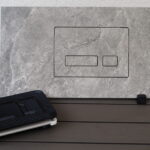
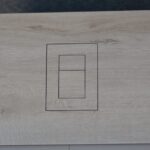
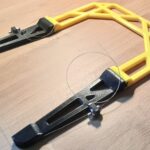
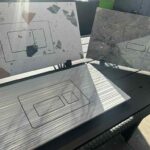
[…] another object to move when mopping and another visual interruption in a carefully finished room. A recessed holder removes that floor-level clutter and places the brush in a dedicated, controlled […]