A standard toilet brush solves one cleaning task while creating another: it sits in view, retains moisture, and occupies floor space exactly where a modern bathroom should feel calm and open. The best toilet brush alternatives do not simply replace the brush head. They reconsider how the toilet is cleaned, where the cleaning tool belongs, and how much visual clutter the room has to carry.
For a premium bathroom, the right choice depends on daily use, cleaning habits, available wall depth, and the stage of the renovation. Some alternatives reduce the need for scrubbing. Others make the brush itself more hygienic or remove it from sight. The strongest result usually combines both.
Why the Conventional Toilet Brush Falls Short
A freestanding plastic brush and holder is a familiar bathroom default, not necessarily a well-designed solution. It collects drips in a container that is awkward to clean, interrupts the floor line, and often looks temporary against carefully selected tile, concealed fixtures, and wall-mounted sanitaryware.
The problem is especially noticeable in compact powder rooms and minimalist bathrooms. One visible accessory beside the toilet can make an otherwise clean composition feel unfinished. A brush does have a practical role, particularly when mineral deposits or stubborn marks require mechanical cleaning. The issue is not the existence of a brush. It is the exposed, hard-to-maintain way it is commonly stored.
1. A Built-In Concealed Toilet Brush
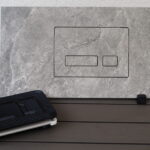
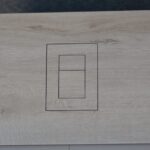
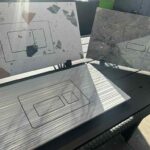
For bathrooms being built or renovated, a recessed toilet brush is the most architectural alternative to a freestanding holder. The brush is integrated into the wall, typically under the tile surface, leaving only a precise, discreet opening or cover visible. It remains close at hand without becoming a visual object in the room.
This solution preserves clear floor space and creates a cleaner line around a wall-hung toilet. It also prevents the familiar problem of a loose brush holder being moved during cleaning, collecting dust behind it, or looking out of place next to premium finishes.
A built-in brush does not eliminate scrubbing, but it upgrades the experience of keeping the tool in the bathroom. The design is especially effective when coordinated with other recessed details, such as a concealed toilet paper holder, built-in waste bin, or flush plate. Instead of several separate accessories competing for attention, the wall becomes a functional, elegant surface.
Installation needs to be planned early. Wall construction, tile layout, waterproofing, and access for the removable brush insert all matter. This is not a last-minute accessory decision. It is a detail that belongs in the bathroom plan before tile installation begins.
2. Silicone Toilet Brushes
Silicone brushes are among the most common toilet brush alternatives for homeowners who need a simple replacement without opening a wall. Their flexible, nonporous bristles hold less water than traditional fiber bristles and tend to rinse more easily after use. They are also less likely to flatten or discolor quickly.
Their advantage is hygiene, not invisibility. A silicone brush still needs a holder, and a freestanding holder still occupies space beside the toilet. For a rental, a finished bathroom, or a secondary bath where recessed installation is not practical, it is a meaningful improvement over a conventional brush.
Choose a holder with ventilation rather than a sealed cup that traps water. A removable drip tray makes periodic cleaning easier. Also consider the shape of the brush head. Very flat silicone heads can reach beneath the rim effectively, but may be less satisfying on heavy buildup than a denser brush or pumice-based treatment.
3. Disposable Scrubbing Heads
Disposable-head systems keep the handle while replacing the cleaning pad after use. For households focused on minimizing contact with a used brush, this is a practical option. The cleaning head can be discarded immediately, so no wet brush remains standing in a holder.
This approach is useful in guest bathrooms, short-term rental properties, or homes where a toilet brush is used infrequently. It gives the room a cleaner appearance because the cleaning tool can be stored inside a cabinet rather than beside the toilet.
There is a trade-off. Disposable refills create ongoing cost and waste, and they are not always suitable for a design approach centered on durable, long-term materials. They are also less effective when a toilet needs serious scrubbing rather than a quick maintenance clean. If used, they work best as a supplement to routine cleaning, not as the only strategy for hard water stains.
4. Bidet Seats and Bidet Toilets
A bidet seat or integrated bidet toilet reduces the amount of paper used and improves personal hygiene, but it is not a direct toilet-cleaning tool. Still, it belongs in this conversation because it changes how the toilet area functions and can reduce splashing, paper-related residue, and the need for frequent surface cleanup.
For a high-end renovation, an integrated bidet toilet creates a more refined, hotel-like experience without adding countertop bottles or loose accessories. Pair it with concealed plumbing, a wall-hung frame, and a flush-mounted control plate, and the entire toilet zone becomes more composed.
Do not expect a bidet to eliminate the need for periodic bowl cleaning. Mineral scale, waterline marks, and biofilm can still form depending on local water conditions. A hidden brush or another targeted cleaning tool remains sensible, especially in frequently used bathrooms.
5. Automatic Bowl-Cleaning Systems
Some toilet systems dispense cleaning solution into the bowl through a concealed reservoir, rim device, or in-tank mechanism. These systems help maintain freshness between regular cleaning sessions and can reduce the frequency of manual scrubbing.
They are most effective as prevention. A measured amount of cleaner with each flush can slow the development of mild stains, particularly in toilets used every day. They do not replace a proper cleaning routine, and the wrong chemical formulation can damage seals or internal components over time. Always use products compatible with the toilet manufacturer’s recommendations.
Visually, concealed systems are preferable to clip-on rim blocks. Rim blocks are inexpensive, but they remain visible, can collect residue, and disrupt the clean interior of the bowl. A bathroom designed around minimalism should not rely on a brightly colored plastic clip as a permanent fixture.
6. Pumice Stones for Hard Water Marks
In areas with hard water, stubborn rings and mineral deposits can make even a clean toilet look neglected. A pumice stone designed for toilet use can remove these deposits with less chemical reliance than aggressive cleaners. Used gently on a wet porcelain surface, it can be highly effective on marks that a regular brush cannot shift.
This is a specialist tool, not a daily replacement for a brush. It should be used carefully and only on suitable porcelain surfaces. Avoid it on decorative finishes, damaged glaze, or surfaces where the manufacturer advises against abrasion. Test a small, inconspicuous area first.
The benefit is precision. Rather than storing a large brush for an occasional difficult stain, keep this tool in a closed cleaning cabinet and use it when the bowl genuinely needs restoration.
7. Better Toilet Design and Preventive Cleaning
The most understated toilet brush alternative begins before the first cleaning product is used. Rimless toilets have fewer hidden channels where residue can build up, making routine cleaning faster. Wall-hung toilets leave the floor beneath them visible and accessible, so the entire toilet area is easier to mop and inspect.
A quality flush also matters. When water reaches the bowl evenly and effectively, it reduces the chance of residue remaining after each use. These details will not make every cleaning tool unnecessary, but they reduce the demand placed on it.
Regular preventive cleaning is equally important. A quick weekly bowl clean prevents deposits from becoming a project. Wiping the seat, lid, flush plate, and surrounding tile with an appropriate bathroom cleaner keeps the toilet zone looking intentional rather than merely functional. The goal is not to add more accessories. It is to need fewer of them.
How to Choose Between Toilet Brush Alternatives
Start with the renovation stage. If tile is coming off the wall or the bathroom is still being designed, a built-in concealed brush is the most complete answer for a clean, luxury result. It combines necessary function with a room that remains free of exposed storage. PS-Tile approaches this detail as part of the bathroom architecture, not as an accessory added after the work is finished.
If the bathroom is already complete, a silicone brush with a ventilated, easy-clean holder is usually the most practical upgrade. Pair it with a concealed cabinet location if possible. For light maintenance and guest use, disposable heads may be appropriate. Where hard water is the central issue, add a suitable descaling routine and reserve a pumice tool for occasional deep cleaning.
The best bathroom does not pretend cleaning tools do not exist. It gives each one a considered place, keeps surfaces clear, and ensures that function never interrupts the calm of the finished space.
A toilet area feels more luxurious when every necessary detail is present but nothing is competing for attention. Choose the alternative that fits your cleaning reality, then design its storage with the same care you give to tile, fixtures, and lighting.