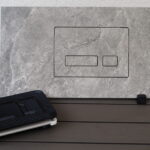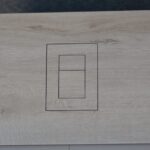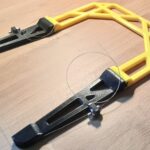
A towel hook should be useful without becoming the first thing you see. An in wall towel hook places that everyday function inside the wall finish, keeping a hand towel or bath towel within reach while preserving the calm, uninterrupted surfaces that define a well-designed bathroom.
This is a small detail with an outsized effect. Standard wall-mounted hooks project into the room, interrupt tile lines, collect dust around their bases, and often feel like an afterthought once the bathroom is complete. A recessed hook changes the equation. The towel has a clear place, while the hardware becomes part of the architecture rather than another object attached to it.
Why an In Wall Towel Hook Changes the Room
Modern bathrooms depend on visual discipline. Large-format tile, frameless glass, wall-hung vanities, and concealed fixtures all work toward the same result: a space that feels ordered, elegant, and easy to maintain. A protruding hook can be practical, but it also creates a shadow line and a visual interruption exactly where the wall should remain clean.
An in-wall solution recesses the functional element into the substrate behind the tile. Once installed, it creates a defined, discreet point for hanging a towel without adding unnecessary volume to the room. The result is especially effective in compact guest bathrooms, narrow powder rooms, and shower areas where every inch matters.
The benefit is not only visual. A hook that does not extend far from the wall reduces the chance of catching clothing or shoulders as people move through a tight space. It also prevents a towel accessory from competing with faucets, mirrors, lighting, and other carefully selected details.
For a premium bathroom, this restraint is what makes the difference. Luxury is rarely created by adding more visible elements. It comes from making the necessary elements feel intentional, integrated, and quietly functional.
Where a Recessed Towel Hook Works Best
Placement determines whether the hook feels effortless in daily use. Near the vanity, it can hold a hand towel exactly where it is needed after washing. Beside a shower enclosure, it gives a bath towel a natural landing point without requiring a separate bar to project into the circulation area.
In a powder room, a recessed hook is often more appropriate than a large towel bar. The room stays visually light, and the accessory does not dominate a small wall. In a family bathroom, several recessed hooks can create individual towel positions without turning one wall into a row of exposed hardware.
The concept also works well in renovated bathrooms where the goal is to remove visual noise. Replacing surface-mounted accessories with built-in details can make an existing layout feel more refined without changing the entire character of the space.
There is one practical condition: the wall must have enough depth for the selected recessed component and its installation system. A solid masonry wall, a properly planned stud wall, or a service cavity can all work, but the available depth should be confirmed before tile installation begins.
Plan the Recess Before the Tile Is Installed
An in wall towel hook is not a finishing accessory that should be selected after grouting. It is a construction detail. The best time to specify it is during bathroom planning, alongside concealed cisterns, niches, electrical points, waterproofing, and tile layout.
Start by defining how the bathroom will be used. A guest powder room may only need one compact position for a hand towel. A primary bathroom may need hooks near each sink, at the shower exit, or in a dressing area. Consider who will use the room, how large the towels are, and whether a hook or a bar better supports daily routines.
Next, coordinate the component with the wall construction. The opening needs to sit clear of plumbing, electrical wiring, structural elements, and concealed frames. This is particularly important around shower walls and wall-hung toilet installations, where several technical systems may already occupy the cavity.
Tile layout deserves equal attention. A well-positioned recess aligns with grout joints or is centered within a tile field, depending on the chosen format and visual concept. An opening that cuts awkwardly through narrow tile strips can weaken an otherwise precise result. Professional planning turns the recessed hook into a clean architectural detail rather than a compromise made on site.
Waterproofing Is Part of the Detail
If the hook is positioned in or near a wet zone, correct waterproofing is essential. The wall opening must be integrated into the waterproofing system according to the materials and methods used in the project. Tile and grout are not waterproofing on their own.
This is where precise components and disciplined installation matter. The recess should have clean edges, stable support, and a finish that can be properly sealed and tiled. A shortcut behind the tile may remain invisible for years, but it is never a premium solution.
Choose the Height for Real Use
There is no single universal mounting height. The right position depends on the towel type and the user. A hand towel hook near a vanity should be easy to reach without dripping water across the floor. A bath towel hook should allow enough clearance for the towel to hang freely and dry properly.
Avoid placing a hook so low that the towel touches the floor, vanity base, or heating element. Also avoid locating it where an open shower door, cabinet door, or toilet lid will interfere with access. A simple check with a full-size towel during planning can prevent an expensive adjustment later.
Hook or Towel Bar: The Right Choice Depends on the Routine
A recessed towel hook is ideal when compactness and visual simplicity are priorities. It works particularly well for hand towels, robes, and bath towels used by one person at a time. It keeps the wall clean and requires very little horizontal space.
A towel bar may be the better choice when drying performance is the main concern. A towel spread across a bar generally dries faster than one folded over a hook. In a busy family bathroom with limited towel rotation, this difference can matter.
The strongest layouts often use both, but with purpose. A recessed hook near the shower can hold the towel being used now, while a bar in a better-ventilated area supports drying. The goal is not to hide every accessory. It is to choose visible and concealed elements according to function, space, and the desired level of visual calm.
Material, Finish, and Maintenance
Because a towel hook is handled daily, its construction should be durable and suitable for bathroom humidity. The recessed body, visible edge, and hook element should maintain their appearance despite moisture, cleaning, and repeated loading.
A restrained finish usually gives the most timeless result. Brushed stainless steel, matte black, or a finish coordinated with the faucet and shower hardware can work beautifully. Matching every metal surface is not mandatory, but the choices should feel deliberate. A bathroom with black fixtures and a polished chrome hook may look accidental unless contrast is clearly part of the design direction.
Maintenance is pleasantly simple. With fewer exposed brackets and narrow gaps behind wall-mounted hardware, there are fewer places for dust and moisture to collect. Wipe the visible surface with a soft cloth and a cleaner suitable for the finish. Avoid abrasive pads that can dull brushed metal or damage coated surfaces.
The towel itself should not stay bunched on any hook for long periods if the bathroom has limited ventilation. Good airflow remains necessary for fresh towels and a hygienic room, regardless of how refined the accessory looks.
A Detail Worth Coordinating With the Installer
Recessed accessories demand accuracy, but they do not need to complicate a project when they are specified early. Give the installer the exact component dimensions, installation instructions, wall position, and tile layout before the wall is closed or waterproofed. If the project includes concealed toilet systems or other built-in bathroom elements, coordinate all openings as one plan.
For tile professionals, the value lies in predictability. Precise templates, quality cutting tools, and a clearly defined recess reduce guesswork and help produce sharp, consistent edges. For homeowners, that precision is visible every day in the form of clean lines and a bathroom that feels complete rather than accessorized afterward.
PS-Tile approaches these built-in details as part of the finished architecture. The hook is not simply a place to hang a towel. It is a way to keep a necessary function close at hand while allowing tile, light, and proportion to remain the focus.
A thoughtfully placed recessed hook will never demand attention. That is exactly its strength: the towel is where you need it, the wall remains quiet, and the bathroom retains the clean, elegant order that made the design worth building in the first place.