
A toilet roll is used every day, yet its holder is often treated as an afterthought. A hidden toilet paper holder changes that small detail into part of the bathroom architecture: the roll is integrated into the wall, the surrounding tile remains visually calm, and nothing projects into the room without purpose. The result is not simply a cleaner-looking wall. It is a more intentional bathroom.
For minimalist interiors, the value is immediate. Freestanding accessories collect visual clutter. Surface-mounted holders interrupt the tile layout and create edges that are harder to clean. A recessed solution gives the roll a dedicated place while preserving the clean, elegant geometry of the space.
What Is a Hidden Toilet Paper Holder?
A hidden toilet paper holder is a recessed bathroom accessory installed inside a prepared opening in the wall and finished in coordination with the surrounding tile. Depending on the design, the toilet roll can sit behind a tiled cover, within a discreet wall niche, or in a precisely framed opening that becomes nearly invisible when viewed from the room.
Unlike a conventional holder fixed onto finished tile, it is planned before tiling. This is the key difference. Its appearance depends on accurate positioning, a suitable wall cavity, and a clean relationship between the accessory frame and the grout lines. When these details are resolved correctly, the holder feels less like an added product and more like a permanent architectural feature.
The concealed approach works especially well beside a wall-hung toilet, where the installation wall already creates an opportunity for built-in elements. It can also be used in masonry or framed partition walls, provided the required depth and service conditions are checked before construction begins.
Why Recessing the Roll Makes a Visible Difference
A bathroom can have premium tile, refined fixtures, and a carefully selected vanity, then lose its clarity through a handful of exposed accessories. The toilet paper holder is small, but it sits at eye level and is used constantly. Its form, location, and projection influence how finished the room feels.
A recessed holder removes that projection. This is particularly valuable in compact toilet rooms, narrow guest bathrooms, and apartments where every inch matters. There is less risk of catching clothing on a protruding arm, less visual noise around the toilet, and more open wall surface to appreciate the tile itself.
There is also a practical hygiene advantage. A traditional holder introduces brackets, screws, caps, and narrow gaps around the wall connection. These places can collect dust and residue. A flush or recessed construction reduces exposed hardware and creates a surface that is easier to wipe down. It does not eliminate cleaning, but it makes routine maintenance more direct.
For premium interiors, the strongest benefit is consistency. The same design language can continue through recessed toilet brushes, built-in waste bins, concealed towel hooks, and flush-mounted flush plates. Each item has a clear function, while the bathroom remains free of unnecessary visual interruptions.
Planning a Hidden Toilet Paper Holder Before Tile Work
The best time to choose a hidden holder is during bathroom design, not after the tile is installed. Retrofitting may be possible, but it usually requires opening the finished wall, adjusting the substrate, and replacing tile. In a new build or full renovation, integrating the holder early is faster, cleaner, and more precise.
Choose the Position Around Real Use
The holder should be reachable from the seated position without forcing the user to twist or stretch. In most layouts, it is placed on the side wall near the toilet, at a height that feels natural for the users of the space. The exact position depends on the toilet projection, wall-hung frame, available side clearance, and whether the room is intended for adults, children, guests, or universal access.
Avoid placing it so close to the toilet that changing the roll feels awkward. At the same time, do not position it where an open door, vanity drawer, or shower screen can interfere. A scaled bathroom plan is more reliable than deciding on site after the walls are closed.
Confirm Wall Depth and Services
A recessed accessory needs space behind the finished tile. Installation walls for concealed cisterns often offer sufficient depth, but this should never be assumed. Check the thickness of the wall build-up, the product’s installation depth, insulation requirements, electrical routes, water lines, and access to the cistern service opening.
The holder must not compromise a structural wall or interfere with plumbing and electrical services. This is where coordination between the designer, installer, plumber, and tile contractor matters. A clean detail on the finished wall begins with a clear technical plan behind it.
Set the Tile Layout Before Cutting
A concealed accessory looks most refined when its edges relate naturally to the tile grid. Centering the opening on a tile, aligning it with grout joints, or continuing a large-format slab pattern across the cover can make the component almost disappear.
This is not only an aesthetic decision. Thoughtful layout can reduce narrow tile strips around the opening and make cuts more stable. Templates, accurate measuring tools, and a suitable diamond blade help create clean edges without chipped glaze or uneven joints. With large-format porcelain, precision is especially visible because there is nowhere for an inaccurate cut to hide.
Selecting the Right Style for the Bathroom
Not every concealed holder creates the same effect. A design with a tileable front is the most discreet option, especially when the goal is a continuous wall plane. The cover can visually merge with the surrounding finish, leaving only a fine reveal or purposeful opening.
A framed recessed holder may be the better choice when the interior calls for a controlled contrast. Brushed stainless steel, matte black, or another coordinated finish can echo the flush plate, faucet trim, shower profile, or door hardware. The holder remains subtle, but its outline becomes a deliberate design detail.
Material selection should follow the environment. Bathrooms are humid spaces, so corrosion resistance and durable construction matter as much as appearance. Look for a mechanism that holds the roll securely, allows quick replacement, and remains reliable after years of daily use. A beautifully concealed product is only successful if it is equally functional when someone needs a new roll in the middle of the night.
Storage capacity is another trade-off. A single-roll recessed holder is visually minimal and ideal for a compact wall. A larger recessed niche with reserve-roll storage reduces restocking frequency, but it requires more wall area and becomes a more visible feature. In a small guest powder room, discretion may be the priority. In a family bathroom, easy access to spare rolls can be more valuable.
Installation Quality Defines the Final Result
A concealed bathroom accessory should be installed as a system, not treated as an opening cut into the wall at the last minute. The substrate needs to be stable, level, and prepared for waterproofing according to the wall construction and wet-area requirements. The product must be fixed squarely so its visible edges remain even after the tile is installed.
Waterproofing deserves particular attention when the holder is located near a shower or in a highly exposed wet zone. A toilet area is generally less demanding than a shower wall, yet the entire bathroom should still follow the appropriate waterproofing strategy. The installer should use compatible materials and protect all transitions according to the project specification.
During tiling, clean cuts and consistent joint widths are essential. The frame should not be forced into alignment with uneven tile. Instead, the opening and tile layout should be planned so the finished result sits straight, flush, and balanced. This is why specialized systems, cutting templates, and professional tile tools are worthwhile: they protect the visual quality of a detail that will remain in view for years.
PS-Tile focuses on these built-in elements because the difference is not just the holder itself. It is the precision of the finished wall around it.
Is a Recessed Holder Right for Every Bathroom?
A hidden solution is most effective when the bathroom is being built or comprehensively renovated, when tile is part of the design, and when the wall construction can accommodate the recess. It is an excellent choice for modern homes, high-end apartments, hotel-style suites, and carefully designed guest bathrooms.
It may be less practical for a quick cosmetic update, a very thin wall with no cavity, or a rental property where major wall work is not justified. In those cases, a high-quality surface-mounted holder can still be the sensible option. Minimalism should support daily use and the project budget, not create unnecessary construction work.
The decision comes down to priorities. If you value a bathroom with clean lines, easy-to-maintain surfaces, and no accessory competing with the tile, a recessed holder is a small investment with an outsized visual return. Plan it early, place it precisely, and let the wall stay as quiet as the rest of the design.
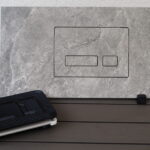
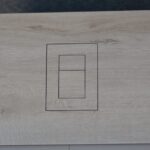

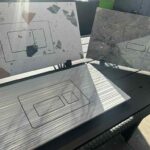
[…] must remain practical for daily use, not only look centered in an elevation drawing. Consider the toilet paper holder, flush plate, grab bar, electrical controls, and any niches in the same area. Minimalism depends on […]
[…] zone, and this area can frequently accommodate an integrated toilet brush, recessed waste bin, hidden toilet paper holder, or flush plate. Grouping these items in one considered composition keeps the rest of the bathroom […]
[…] same logic applies to adjacent built-in accessories. A recessed toilet paper holder, concealed brush compartment, or integrated waste bin can create a complete service wall with no […]