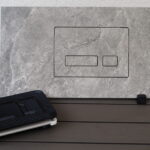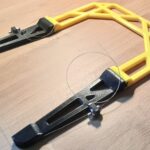
A clean tile installation is often decided in the smallest openings: a precise notch beside a concealed accessory, a refined edge around a flush plate, or a carefully adjusted cut where a standard tool is simply too aggressive. The Proxxon Micromot collet set gives a compact rotary tool the control needed for these finish-stage tasks. It is a small technical accessory, but it has a direct effect on accuracy, surface quality, and the professional appearance of the completed bathroom.
For installers, designers, and homeowners who expect clean lines without distracting details, precision is not optional. A bit that runs true and is held securely allows controlled work close to the tile surface. That matters when the surrounding detail is designed to disappear into the architecture.
What a Proxxon Micromot Collet Set Does
A collet is the precision clamping component inside a rotary tool. It grips the shank of a burr, drill, engraving bit, polishing point, or another small accessory. A Proxxon Micromot collet set provides collets sized for different accessory shanks, so the tool can hold each bit correctly rather than forcing several diameters into one universal opening.
The difference may appear minor, yet it is immediately noticeable during delicate work. A correctly matched collet centers the bit, reduces vibration, and improves control. The tool feels more stable in the hand, while the cutting edge follows the intended line more predictably.
This is especially valuable around the refined details found in modern tiled bathrooms. Concealed toilet brush modules, recessed waste bins, integrated paper holders, tile-ready hooks, and flush-mounted controls all depend on careful alignment. Their visual effect comes from a clean integration with the wall surface. Rough finishing around an opening can interrupt that effect, even when the main tile cut is correct.
Why the Right Clamping Method Matters
A small rotary accessory spins at high speed. If its shank is undersized for the clamping opening, it may sit off-center or be held unevenly. The result can be visible wobble, excess vibration, accelerated bit wear, and a cut that is harder to guide. On glazed tile, porcelain, metal trim, or plastic installation components, that loss of control can leave marks that are difficult to correct.
A proper collet creates an even grip around the shank. It is not designed to compensate for a badly sized accessory. Instead, it gives the correct shank diameter a stable, centered seat. This distinction is what makes a collet set useful for precise installation work rather than general-purpose drilling alone.
There is also a practical advantage for the person doing the work. Less vibration means less hand fatigue when refining a small edge or adjusting a tight corner. The work remains deliberate instead of becoming a series of corrections. In premium interiors, that discipline is visible in the final result: straight joints, clean reveals, and fittings that appear to belong to the wall rather than being added onto it.
Where Precision Rotary Work Belongs in Tile Installation
A Micromot tool with the appropriate collet is not a replacement for a tile cutter, wet saw, or diamond blade. Those tools handle the primary cuts. The rotary tool belongs at the point where scale, access, and finesse matter more than cutting speed.
It can be useful for carefully easing a sharp internal edge, cleaning a narrow corner after the main cut, making a small adjustment around a mounting point, or refining an opening for a concealed bathroom component. With the right accessory, it can also support work on metal, plastic, grout, and similar materials encountered during installation.
The key is to use it as a finishing tool, not as an answer to every cut. Removing a large amount of hard porcelain with a small rotary bit is slow and can overheat both the accessory and the work area. For a broad opening, begin with the appropriate cutting method. Reserve the precision tool for the last millimeters, detailed corners, and areas that demand a controlled touch.
That division of work protects both the tile and the visual intent of the design. Large-format tile and minimal joints leave little room for an imprecise detail. A carefully finished opening helps recessed elements sit cleanly, keeps silicone joints consistent, and avoids unnecessary visual noise.
Choosing and Fitting the Correct Collet
The correct choice begins with the accessory shank, not with guesswork. Check the shank diameter of the bit or burr and select the matching collet from the set. Do not assume that tightening the nut harder will make an incorrect size safe or accurate. Excessive force can damage the collet, the nut, or the accessory shank without solving the centering problem.
Before fitting a new accessory, disconnect the tool from power. Clean dust from the collet seat, the collet itself, and the bit shank. Fine tile dust can prevent the parts from seating fully, which undermines the accuracy the system is meant to provide.
Insert the collet correctly into the tool, place the accessory shank deeply enough for secure support, and tighten the retaining nut firmly with the appropriate tool. The bit should be secure without being forced. After installation, rotate it by hand with the power disconnected and look for obvious runout. If it appears to wobble, stop and check whether the shank size, seating position, or cleanliness is the cause.
For an important visible cut, test the setup on an offcut first. This takes little time and reveals whether the accessory, speed, and hand pressure suit the material. It is a simple step that can prevent a costly mistake on a finished tile.
Better Results Come From Controlled Technique
Even the best collet cannot compensate for excessive pressure. Let the accessory work gradually, especially on hard or glazed surfaces. Heavy pressure increases heat, reduces control, and raises the chance of chipping at the edge.
Keep the tool supported with a stable hand position. When working near the visible face of a tile, approach the edge carefully and make short, measured passes rather than trying to remove all material at once. If the work creates significant dust, use appropriate extraction and personal protective equipment. Clean visibility is part of precision.
Speed also depends on the accessory and material. A setting that is suitable for polishing or light engraving may not be appropriate for tile refinement, and some bits perform better at lower speeds to limit heat. Follow the recommendations for the tool and the specific accessory. The right combination is not always the fastest one. It is the one that produces a clean edge without damaging the surrounding finish.
Care That Preserves Accuracy
Collets are small components, but they deserve the same care as any precision tool. Remove them occasionally and clear away accumulated dust. Inspect the slots for damage and check whether the clamping surfaces remain clean and undistorted. A collet that is worn, cracked, or no longer grips evenly should be replaced rather than relied upon for visible finish work.
Store the set where individual sizes remain easy to identify. This avoids selecting a near-match when the correct collet is available. Keep accessory shanks clean as well. Adhesive residue, corrosion, or embedded dust can affect clamping and create unnecessary runout.
For professional installers, this routine supports repeatable quality across multiple projects. For homeowners completing one carefully planned bathroom, it offers the same benefit in a different form: confidence that the final details receive the attention they deserve.
A refined bathroom is built from decisions that are often hidden after installation. The Proxxon Micromot collet set is one of those decisions. When a small adjustment must preserve a clean tile line and an elegant built-in detail, secure and accurate tool control helps the craftsmanship remain quietly visible in every finished surface.